Why Small Assisted Living Homes Offer a More Personal Approach to Elder Care
When my mother started needing help with her Activities of Daily Living, I assumed a large facility was the only option. I had seen the glossy brochures for big retirement communities with their dining halls and activity calendars. But something felt off. I wanted a place where she would be known, not just processed. That is when I started looking into small assisted living homes, and what I found changed everything I thought about Elder Care in St Louis.
A Shift Toward What Feels Like Home
The idea behind small assisted living homes is simple: keep the scale small enough that every resident is a person, not a room number. These are often family-run homes, sometimes converted from an actual house in a quiet neighborhood. The staff-to-resident ratio tends to be higher, and the environment feels less like an institution and more like a like-home environment. For many families, that difference alone is worth the search.
In St Louis, the options for this kind of care are growing, but they still require some digging to find. That is where a resource like a senior living advisor or a specialized directory can help. They know which homes offer Licensed Assisted Living through the Missouri Department of Health and which ones focus on person-centered care. The good news is that more families are asking for these smaller settings, and the industry is starting to listen.
What Makes Small Assisted Living Homes Different
I visited a handful of small assisted living homes before choosing one for my mother. The first thing I noticed was the lack of a long, echoing hallway. Instead, there was a living room with a couch, a kitchen where you could smell something cooking, and a backyard with a garden. Residents sat together at a table, not in a line of wheelchairs facing a television. It felt like visiting someone’s home, because it was.
These homes typically house between four and ten residents. That small group home model allows caregivers to know each person’s preferences, medications, and life story. It also makes it easier to offer flexible services like respite care or even palliative care in the same familiar setting. For families worried about transitions, that continuity is a huge relief.

Another aspect that surprised me was the family visit policy. In many large facilities, visits are scheduled around activities or meals. In a small assisted living home, you can often stop by anytime. My mother’s home encouraged us to come for dinner, join a board game, or just sit in the garden. That openness made the transition easier for everyone.
Memory Care in a Smaller Setting
For those dealing with dementia or Alzheimer’s disease, the benefits of a smaller environment are even more pronounced. Memory care in a big building can be disorienting. The long hallways and identical doors can confuse someone who already struggles with spatial awareness. Small assisted living homes, especially those designed with a cottage layout, offer a more intuitive layout. Residents can find the kitchen, the bathroom, and their own room without getting lost.
I spoke with a care director who explained that the Alzheimer’s Association recommends familiar environments for people with memory loss. A smaller home can be decorated with personal items, and the daily routine can be adapted to each person’s rhythm. That kind of flexibility is hard to achieve when you are managing hundreds of residents. The culture change toward more personalized, relationship-based care is easier to implement in a small assisted living home.
Financial Realities and Options
Cost is often the first question families ask. Small assisted living homes are not always cheaper than larger facilities, but they can be comparable. Some accept the Medicaid waiver, which can help families who might otherwise struggle to afford care. Others are private pay only. It is important to ask directly and to check with the Missouri Department of Health about licensing and any available subsidies.
I also learned that some families use a combination of private funds and long-term care insurance. A few homes even offer sliding scale fees based on income. The key is to start the conversation early and to be transparent about your budget. A good senior living advisor can walk you through the numbers and help you compare options.
Data from NIC MAP shows that the demand for smaller, residential-style settings is increasing across the country. St Louis is no exception. As the baby boomer generation ages, more families are seeking alternatives to the traditional nursing home model. Small assisted living homes fill that gap by offering a more intimate, family-oriented approach.

How to Evaluate a Small Assisted Living Home
When you visit, trust your instincts. Here are a few things to look for:
- Is the staff interacting with residents in a warm, respectful way? Watch how they speak and touch. Is there patience and humor, or does it feel rushed and transactional?
- Does the home smell clean without being overly chemical? A fresh, natural smell is a good sign. A heavy air freshener can be a cover for something else.
- Are residents engaged in activities that match their abilities? Look for people reading, doing simple crafts, or just chatting. A quiet room is fine, but total stillness can mean under-stimulation.
Also, ask about the staff turnover rate. In family-run homes, the owner often lives on site or is there every day. That stability matters. If the same faces are there month after month, that is a strong sign of good management and a positive work environment.
The Role of Transparency and Referral Services
Finding the right home takes time. Services like A Place for Mom can give you a starting list, but they are paid by the facilities they refer to, so their recommendations are not neutral. A better approach is to work with a local senior living advisor who knows the St Louis market and can offer unbiased guidance. They can also help you understand the nuances of respite care, aging in place, and the difference between standard assisted living and memory care.
Another resource is the Missouri Department of Health’s online database of Licensed Assisted Living facilities. You can check inspection reports and complaint histories. That information is public, and it is worth reviewing before you schedule a visit. Transparency is becoming more common in the industry, and the best homes welcome it.
What Families Wish They Had Known
Looking back, I wish I had started the search earlier. Many families wait until a crisis forces a move, and then they have to make a quick decision. That often leads to a larger facility because there are more beds available immediately. Small assisted living homes usually have a waiting list, so planning ahead is essential.
Another lesson: involve the person who will be moving in as much as possible. Even if they have memory challenges, they can still express preferences about food, noise level, and whether they want a private room. Person-centered care means listening to those preferences, not just checking boxes on a form.
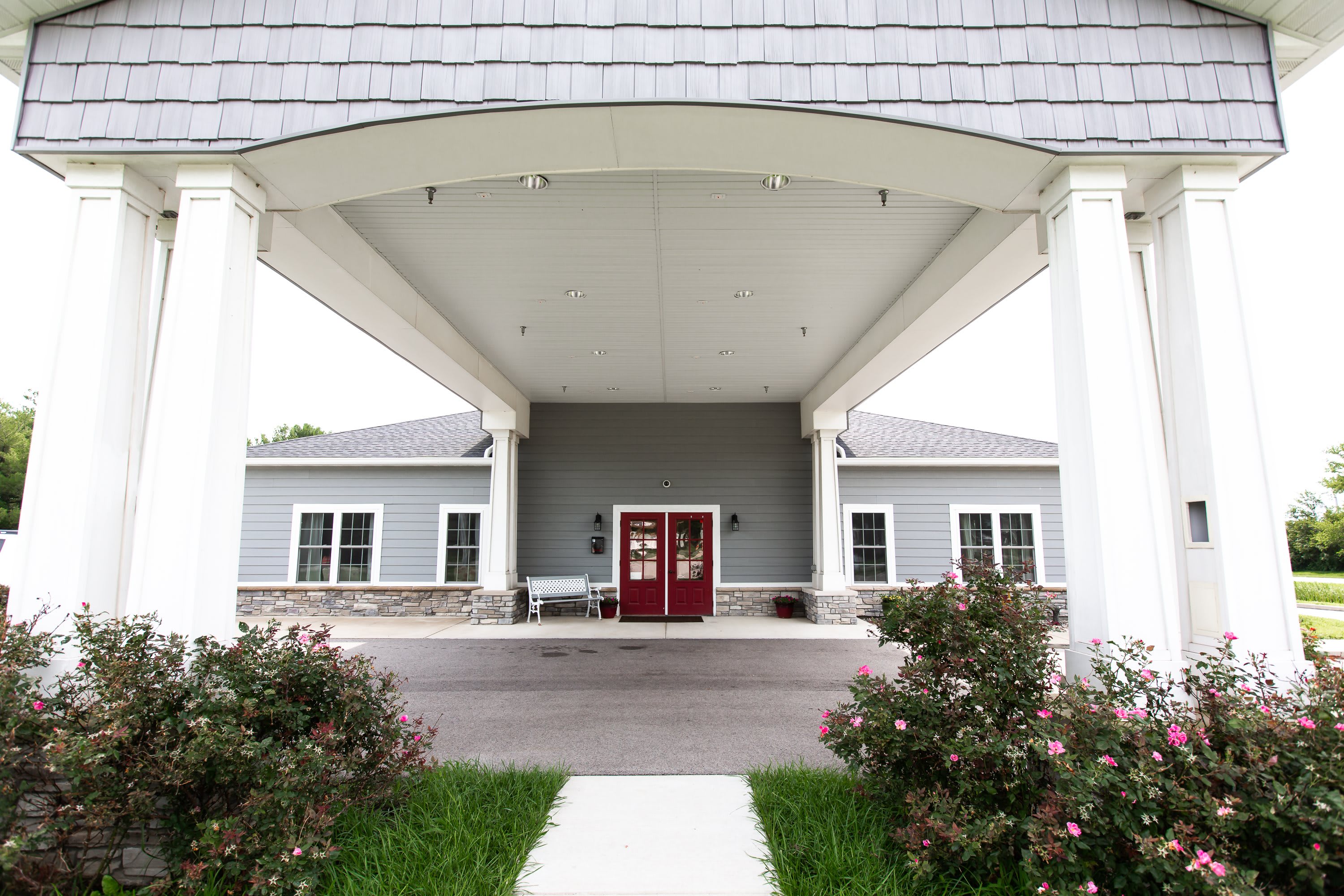
Finally, do not underestimate the value of a like-home environment. My mother has a small garden plot at her home where she plants marigolds every spring. That simple act gives her a sense of purpose and joy. In a larger facility, that kind of individualized attention would be much harder to provide.
Looking Ahead: The Future of Elder Care
The trend toward smaller, more personalized care settings is part of a broader culture change in how we think about aging. The old model of warehousing seniors in large institutions is giving way to a more humane approach. Small assisted living homes are at the forefront of that shift, offering a model that prioritizes dignity, choice, and connection.
For families in St Louis, the options are expanding. Whether you are looking for memory care, respite care, or a permanent home for a loved one, it is worth exploring the small group home model. The search may take a little longer, but the payoff is a place that feels like home, not a hospital. And that makes all the difference.